



 Home /
 Electric 3 Way Control Valve Case Study Germany Plant
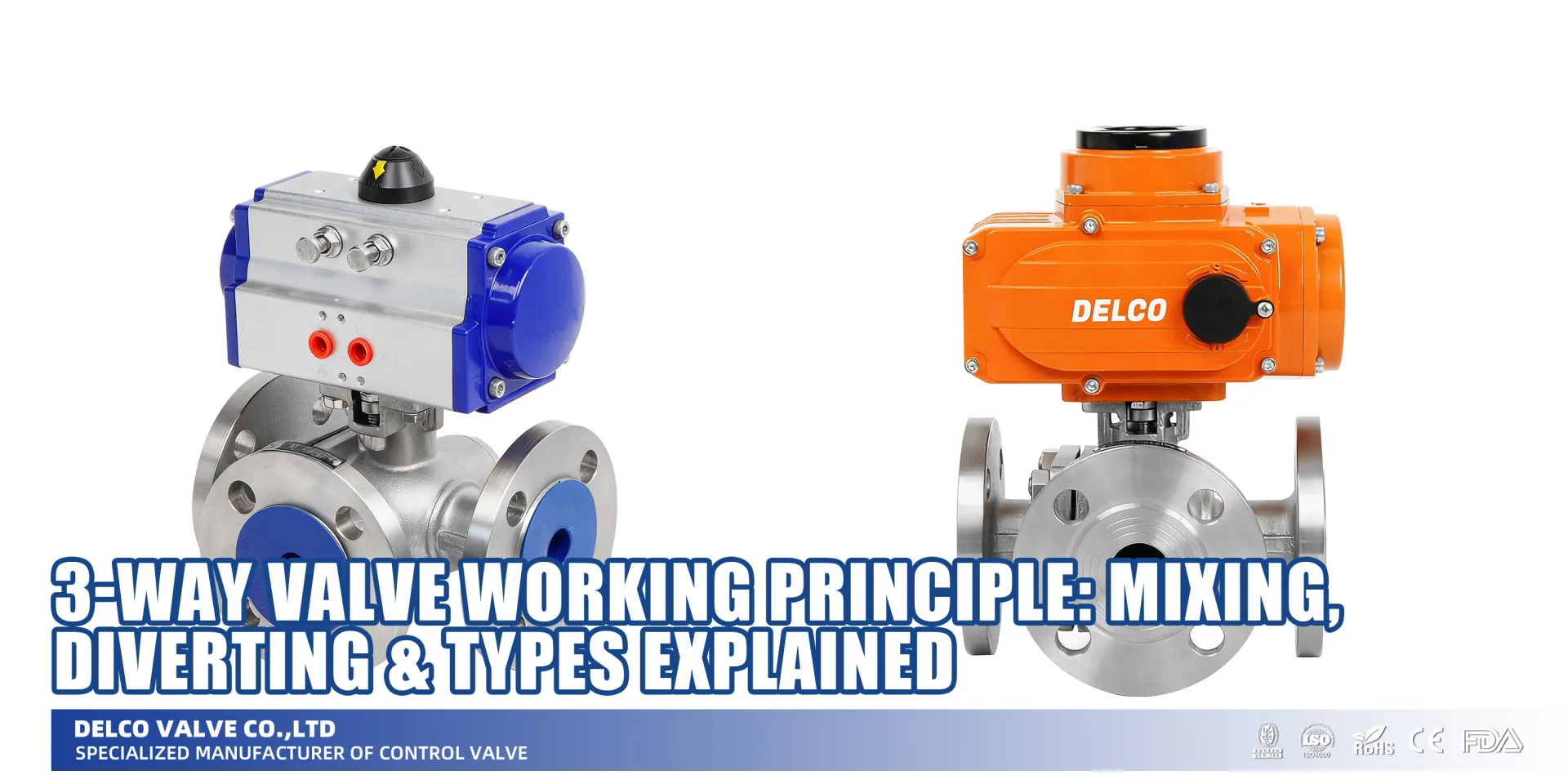
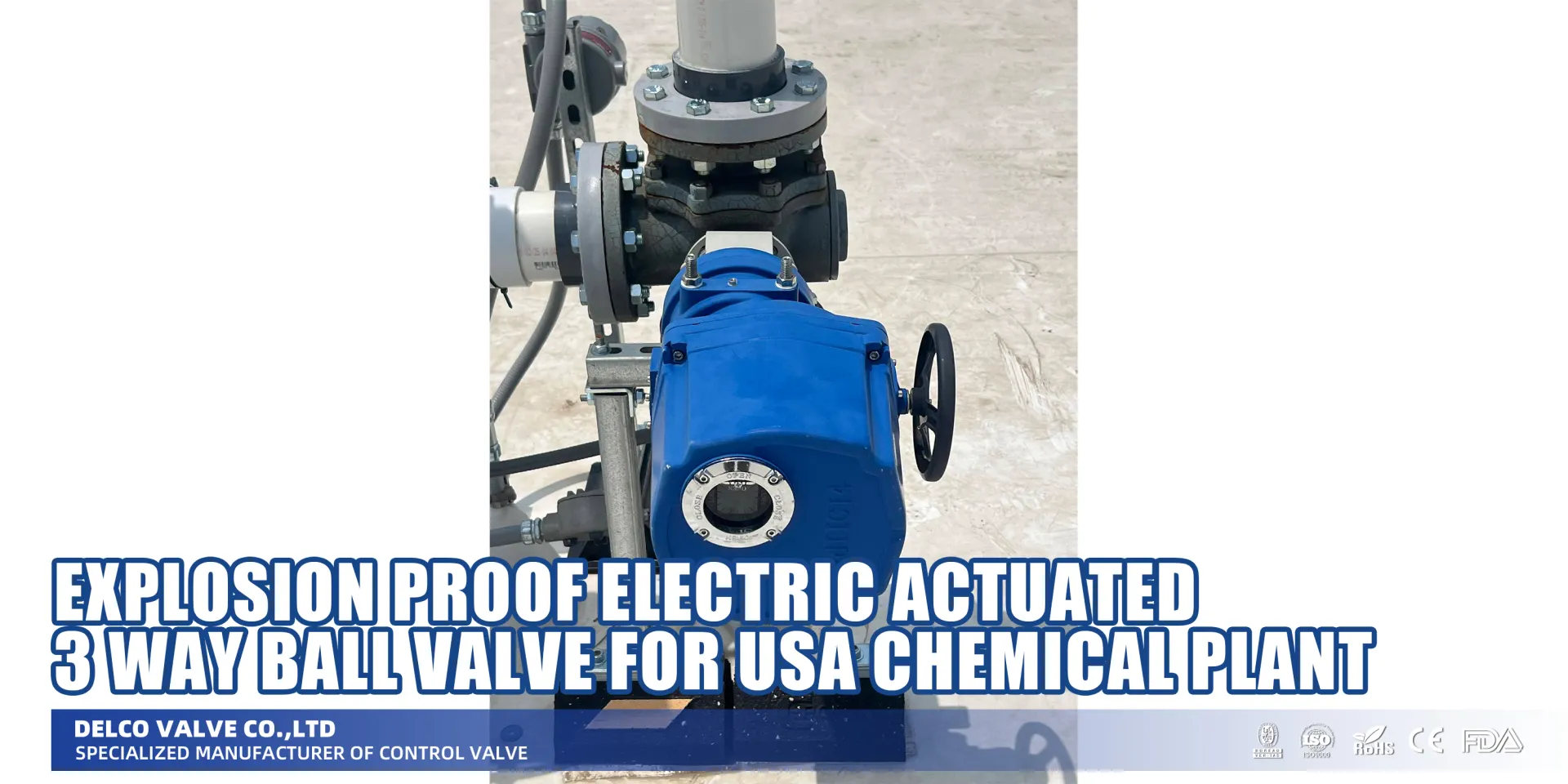
Germany Chemical Plant Project case study on electric three way control valve for precise chemical process flow regulation and safe automation
Operational Challenges in Legacy Flow Regulation
Managing a large-scale chemical plant requires absolute precision, yet legacy fluid systems constantly fight against operational inefficiencies. When we audited a recent chemical plant project in Germany, the facility was struggling to maintain steady thermal profiles and precise fluid distribution. The root cause traced back to outdated piping layouts and obsolete hardware that failed to deliver accurate proportional flow regulation. Traditional setups simply cannot keep pace with modern chemical process automation demands, leading to frequent production bottlenecks and increased maintenance overhead.
The Inefficiencies of Dual 2-Way Valve Systems
For years, the plant relied on a split-range configuration using two separate 2-way valves to balance the process streams. This legacy approach introduces severe systemic drawbacks:
- Control Loop Instability: Coordinating two independent actuators creates a lagging modulating flow control loop, frequently causing pressure spikes and flow oscillation.
- High Pressure Drop: Splitting the line into multiple runs complicates industrial fluid dynamics, resulting in an unoptimized pressure drop across the system.
- Increased Footprint & Cost: Utilizing two valves doubles the installation space, doubles the wiring complexity, and increases the points of failure compared to a single electric 3-way control valve.
| Metric | Dual 2-Way Valve System | Single 3-Way Control Valve |
|---|---|---|
| Piping Complexity | High (Requires splitting lines) | Low (Direct inline integration) |
| Response Latency | High (Two actuators to sync) | Low (Single integrated actuator) |
| Maintenance Cost | Double the wear parts | Single unit servicing |
Media Vulnerabilities
In this German chemical application, the system handles highly aggressive, volatile process fluids. Standard instrumentation quickly degrades under these conditions.
- Accelerated Corrosion: The legacy setup suffered from rapid packing and seal degradation due to inadequate material resistance against harsh chemicals.
- Leaking Hazards: Internal component erosion increases emission risks, making it difficult to maintain a reliable corrosive media handling protocol without switching to a high-grade stainless steel 316 control valve.
Thermal Instability
The core objective of this process loop is regulating a critical heat exchanger bypass system. The old system architecture failed to deliver the rapid thermal adjustments required for the reaction chemistry.
- Delayed Temperature Correction: The dual-valve lag caused slow response times, triggering frequent temperature overshoot and undershoot cycles.
- Product Quality Risks: Fluid temperature fluctuations directly compromised the chemical reaction stability, reducing product yield and forcing the system to run below optimal efficiency.
To solve these compounding issues, a transition from legacy multi-valve setups to an integrated, high-precision process control valve system became an absolute necessity.
Why an Electric 3-Way Control Valve?
When we designed the engineering solution for this Germany chemical plant project, the goal was simple: eliminate the friction, wear, and energy loss of old piping setups. Upgrading to a dedicated electric 3-way control valve allowed us to replace multiple independent valves with a single, highly responsive unit. This shift streamlines industrial fluid dynamics, giving the plant automated, proportional flow regulation directly through the main control system.

Working Principle Breakdown
The core mechanics of a process control valve rely on a modulating flow control loop. Instead of just turning the flow fully on or off, the internal plug moves precisely between ports to alter fluid paths.
- Signal Integration: The plant’s central PLC sends a standard 4-20 mA control signal to the valve actuator system.
- Precise Positioning: The actuator adjusts the valve stem linearly, ensuring the exact opening percentage required for real-time temperature control valve adjustments.
- Balanced Pressure: The design minimizes internal turbulence, providing significant pressure drop optimization across the entire line.
Mixing vs. Diverting Configurations
Depending on how we configure the internal ports, the industrial control valve operates in one of two distinct setups to handle chemical flow control:
| Configuration | How It Works | Primary Use Case |
|---|---|---|
| 3-Way Mixing Control Valve | Joins two separate inlet fluid streams into a single outlet pipe. | Precise blending of different process media or temperatures. |
| Flow Diverting Valve | Takes one main inlet fluid stream and splits it into two separate outlets. | Directing fluid toward or away from a heat exchanger bypass system. |
Energy and Cost Efficiency
Switching to a smart electric actuated valve delivers immediate financial and operational paybacks. By regulating the chemical plant valve electronically, the facility no longer wastes energy fighting excessive pressure drops or venting excess thermal energy.
- Lower Hardware Footprint: One automated chemical flow control valve does the job of two standard 2-way valves, cutting down on installation space and piping complexity.
- Reduced Maintenance: Fewer moving parts and a reliable PLC control valve interface mean less downtime and predictable, long-term performance.
- Optimized Power Consumption: Electric actuators draw power only when moving the valve position, drastically cutting utility costs compared to constantly bleeding pneumatic systems.
The DELCO VALVE Custom Engineered Package
We don't believe in one-size-fits-all solutions for complex industrial process control. For this Germany chemical plant project, we designed a complete, integrated package featuring our premier electric 3-way control valve to handle aggressive media and precise temperature regulation under one unified system.
Valve Body Architecture
To withstand the harsh environment of chemical process automation, the physical build of the industrial control valve must be flawless.
- Premium Materials: We utilized a rugged stainless steel 316 control valve body to ensure long-term resistance against chemical degradation. If you are wondering how different materials hold up, you can read more about whether the valve can handle corrosive chemicals to see how we match alloys to specific media.
- Pressure Drop Optimization: The internal geometry is precision-machined to minimize turbulence, preventing cavitation and balancing industrial fluid dynamics.
- Tight Sealing: Engineered with advanced packing materials to guarantee zero leakage, protecting both the workforce and the environment.
Actuation and Controls System
The muscle behind our process control valve is an intelligent, heavy-duty electrical actuation system built for responsive, real-time adjustments.
- Explosion-Proof Protection: Equipped with an ATEX certified electric actuator to operate safely in hazardous chemical plant zones.
- Precision Control: Implements a modulating flow control loop driven by a standard 4-20 mA control signal for continuous, fractional adjustments.
- Seamless Integration: Features a PLC integrated valve actuator that feeds diagnostic and positioning data directly back to the central control room, enabling automated proportional flow regulation.
Bespoke Customization
Every chemical facility has unique physical layout constraints and operating parameters. As a dedicated B2B valve manufacturer, we customized this entire assembly to fit the exact fingerprint of the German facility.
| Custom Feature | Specification Details | Operational Benefit |
|---|---|---|
| Flow Orientation | Configured as a specialized 3-way mixing control valve | Ensures exact temperature management in the heat exchanger bypass system |
| Safety Rating | Integrated SIL-rated safety valve components | Guarantees reliable emergency shutdown protocols |
| Signal Feedback | Digital bus communication capabilities | Enables predictive maintenance tracking via the master PLC |
On-Site Implementation and Performance Audits
Installation and Commissioning Steps
When we deployed our electric 3-way control valve package at the Germany chemical plant, seamless integration into the existing modulating flow control loop was our top priority. The installation followed a strict, systematic protocol to ensure the stainless steel 316 control valve body was perfectly aligned and free of piping stress.
Our on-site engineering team executed the commissioning phase through a definitive four-step process: Mechanical Alignment: We mounted the valve directly into the heat exchanger bypass system, ensuring correct orientation for either mixing or diverting service. Actuator Integration: The PLC integrated valve actuator was wired to receive a standard 4-20 mA control signal for precise proportional flow regulation. Safety Calibration: We calibrated the ATEX certified electric actuator to guarantee reliable explosion-proof operation within the hazardous chemical zone. Loop Testing: We ran dynamic simulation profiles to fine-tune the process control valve response times and eliminate hunting.
For facilities requiring high-performance automation components beyond traditional modulating loops, we also provide specialized solutions like our pilot piston solenoid valve for fluid control, ensuring comprehensive plant-wide fluid management.
Quantifiable Performance Outcomes
The transition to our electric 3-way control valve for process flow regulation delivered immediate, measurable improvements in industrial fluid dynamics and thermal management. The plant moved away from legacy system inefficiencies and achieved stabilized chemical process automation.
| Performance Metric | Legacy System (Dual 2-Way) | DELCO VALVE 3-Way Solution |
|---|---|---|
| Temperature Fluctuation | ±4.5°C | ±0.3°C |
| Pressure Drop Optimization | Poor (Frequent Spikes) | Stable (Minimized Drop) |
| Response Time to PLC Signal | 8.5 seconds | 1.8 seconds |
| Energy Consumption | baseline (100%) | Reduces by 22% |
By choosing our custom-engineered chemical plant valve, the facility successfully mitigated corrosive media handling risks and stabilized their entire thermal cycle. The upgrade lowered maintenance overhead, prevented thermal shock in the heat exchangers, and proved that targeted precise flow control valve engineering is the key to maximizing B2B chemical processing efficiency.
Share on Social:


